
Curtain Styling Secrets: Using the 60-30-10 Rule for Effortless Interior Harmony
- Home
- Curtains
- Curtain Styling Secrets: Using the 60-30-10 Rule for Effortless Interior Harmony
When decorating any room, curtains are more than just fabric that frames your windows—they’re an essential part of your home’s aesthetic language. They soften hard lines, add visual interest, and influence light, privacy, and mood. But how do you make sure your curtain choices enhance, rather than overwhelm, your interiors?
Enter the 60-30-10 rule: a timeless formula interior designers rely on to strike the right colour balance in a space. While often applied to broader décor decisions, this simple rule can be an absolute game-changer when you focus it on curtain styling. Whether you’re redecorating a living room or starting from scratch in a new build, this principle helps you select curtains that complement, not complicate, your space.
What Is the 60-30-10 Rule?
The 60-30-10 rule is a design guideline that breaks down a room’s colour palette into three proportions:
60% – Dominant Colour: The main backdrop or base tone of the room (often walls, large furniture, flooring).
30% – Secondary Colour: A complementary colour that supports and contrasts with the dominant tone.
10% – Accent Colour: A bold or standout colour used sparingly to add interest and vibrancy.
In the context of curtains, this rule helps you determine where your window treatments fit into the overall colour hierarchy—should they blend in, subtly contrast, or stand out as a statement?
Choosing the Right Role for Your Curtains
Curtains can fit into any part of the 60-30-10 structure depending on the look you’re going for. Let’s break down how curtains can play each role:
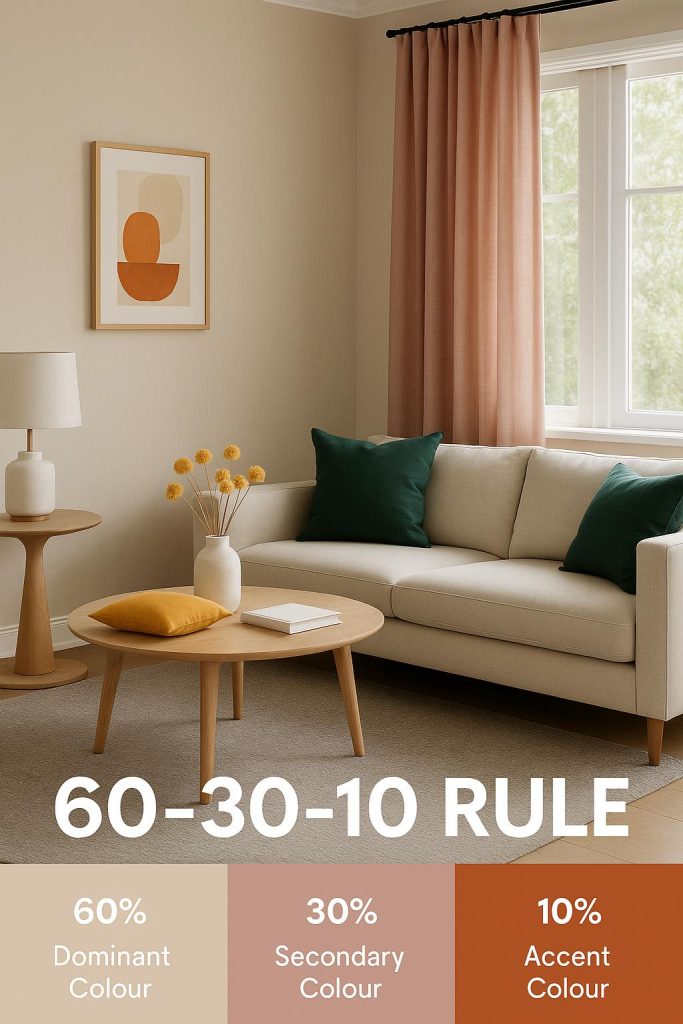
1. Curtains as the 60% (Dominant Colour)
If your curtains are the same shade as your walls, large furniture, or flooring, they serve to unify the space. This is a great strategy in minimalist or monochromatic interiors where you want a calm, uninterrupted visual flow.
When to choose this:
You want a seamless, spacious feel.
Your space has bold furniture or art that you want to highlight instead.
You’re decorating a smaller room and want to avoid visual clutter.
Examples:
Soft white sheers in an all-white coastal bedroom.
Linen curtains in the same grey as your sofa and walls in a modern living room.
This approach ensures your curtains don’t become a distraction—they simply support the aesthetic.
2. Curtains as the 30% (Secondary Colour)
When curtains are used as the secondary colour, they bring dimension and interest to the room while maintaining harmony. This is the most common approach in curtain styling.
When to choose this:
You want your curtains to add richness or depth without dominating the space.
You’re working with a neutral base and want contrast without being too bold.
You’d like your curtains to tie in with other mid-sized elements, like rugs or armchairs.
Examples:
Deep navy curtains in a room with white walls and beige furnishings.
Olive green drapes paired with a cream sofa and warm timber floors.
This layer adds contrast and visual rhythm, often enhancing the architectural feel of windows and doors.
3. Curtains as the 10% (Accent Colour)
Using curtains as an accent colour is a bolder move—but when done right, it can add serious wow factor. In this case, your window treatments become the statement piece, injecting personality and playfulness.
When to choose this:
Your space is neutral or monochrome and needs a burst of energy.
You’re decorating a creative, eclectic, or artistic room.
You want to use pattern or texture to draw attention to the windows.
Examples:
Mustard yellow velvet curtains in a black-and-white bedroom.
Terracotta or burnt orange drapes in a beige-toned living space.
If you go this route, keep the rest of your accents (like cushions or vases) in the same colour family for a cohesive look.
Tips for Applying the 60-30-10 Rule with Curtains
Coordinate with Intent
Once you decide what role your curtains will play, repeat their colour elsewhere in the room. For example, if your drapes are your secondary tone (30%), mirror that colour in a rug or occasional chair to create balance.
Think Beyond Solid Colours
Curtains don’t have to be one flat colour. Patterns can also play a role—just ensure the main colour of the pattern aligns with your intended percentage. A floral print curtain might have a navy background (30%) and accents of gold or blush (10%).
Layering Is Your Friend
Want to make curtains even more dynamic? Consider double curtain layering. For instance:
A neutral sheer layer (60%) + coloured drapes (30%)
Or, bold printed curtains layered with plain blackout panels for a 10% accent pop
Don’t Forget the Hardware
Curtain rods and tracks also affect the visual impact. Sleek black or brass poles can act as part of your 10% accent rule. Don’t overlook them as styling opportunities.
Real-World Room Scenarios
Living Room Example
60%: Warm white walls and ivory sectional sofa
30%: Slate grey curtains, matching rug and armchair
10%: Emerald green cushions, art prints, and a ceramic vase
Bedroom Example
60%: Soft greige walls and timber floors
30%: Dusty rose linen curtains and bed throw
10%: Gold bedside lamps and candle holders
These examples demonstrate how curtains contribute significantly to the space’s identity while keeping everything cohesive.
Common Curtain Styling Pitfalls (and How the 60-30-10 Rule Helps)
Too much matching: When everything is the same tone, the space can feel flat. Use curtains to introduce that all-important 30% or 10% visual shift.
Neglecting contrast: If your curtains match the walls exactly, you risk making windows feel lost. Even a slight tonal difference adds needed definition.
Overusing accents: It’s easy to go overboard with colour pops. If your curtains are your accent (10%), resist the urge to match too many other items to them.
Final Thoughts: Dress Your Windows With Purpose
Curtains are one of the most transformative elements in any room. By applying the 60-30-10 rule to curtain selection and placement, you can make smarter, more stylish decisions that elevate your entire interior.
Whether they blend in quietly or stand out boldly, curtains that follow this timeless colour ratio will always feel intentional—and that’s the secret to great design.
Curtains
Curtains Product Range
Harvey Blinds’ specialty is Internal Blinds, a very practical window covering solution. As a result, we have the ability to find and configure the right solution for your needs.
Blinds
Blinds product range
Harvey Blinds’ specialty is Internal Blinds, a very practical window covering solution. As a result, we have the ability to find and configure the right solution for your needs.
Blackout Curtains
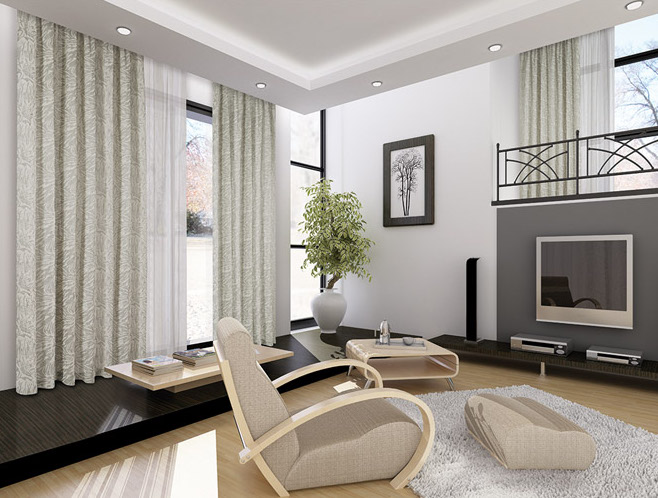
Blackout Curtains are great at filtering out unwanted sunlight

Curtain Track Types
Recess tracks creates an illusion of floating from the ceiling
Curtain Track Systems
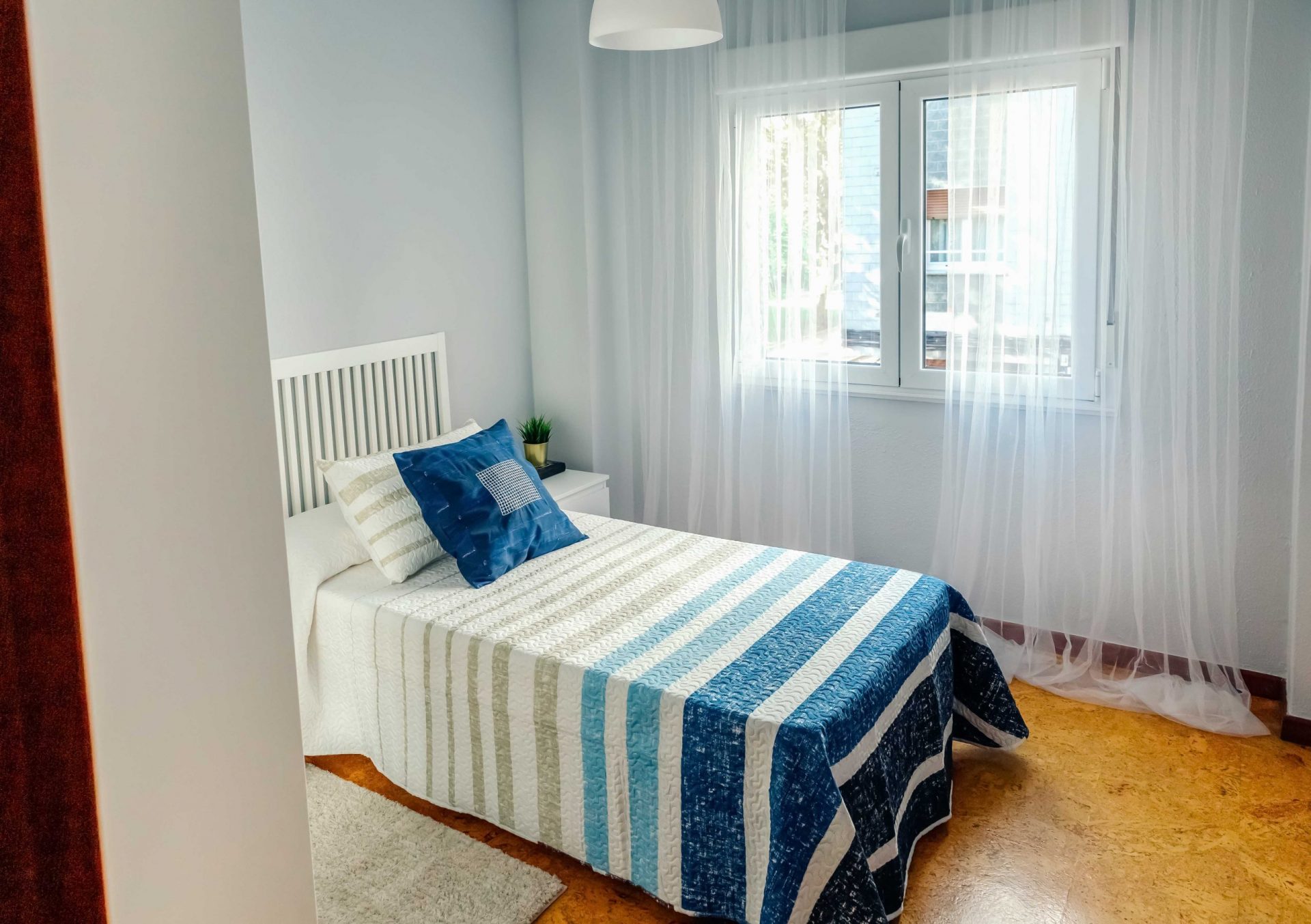
The curtain track system is an essential component in modern houses
Sheer Curtains
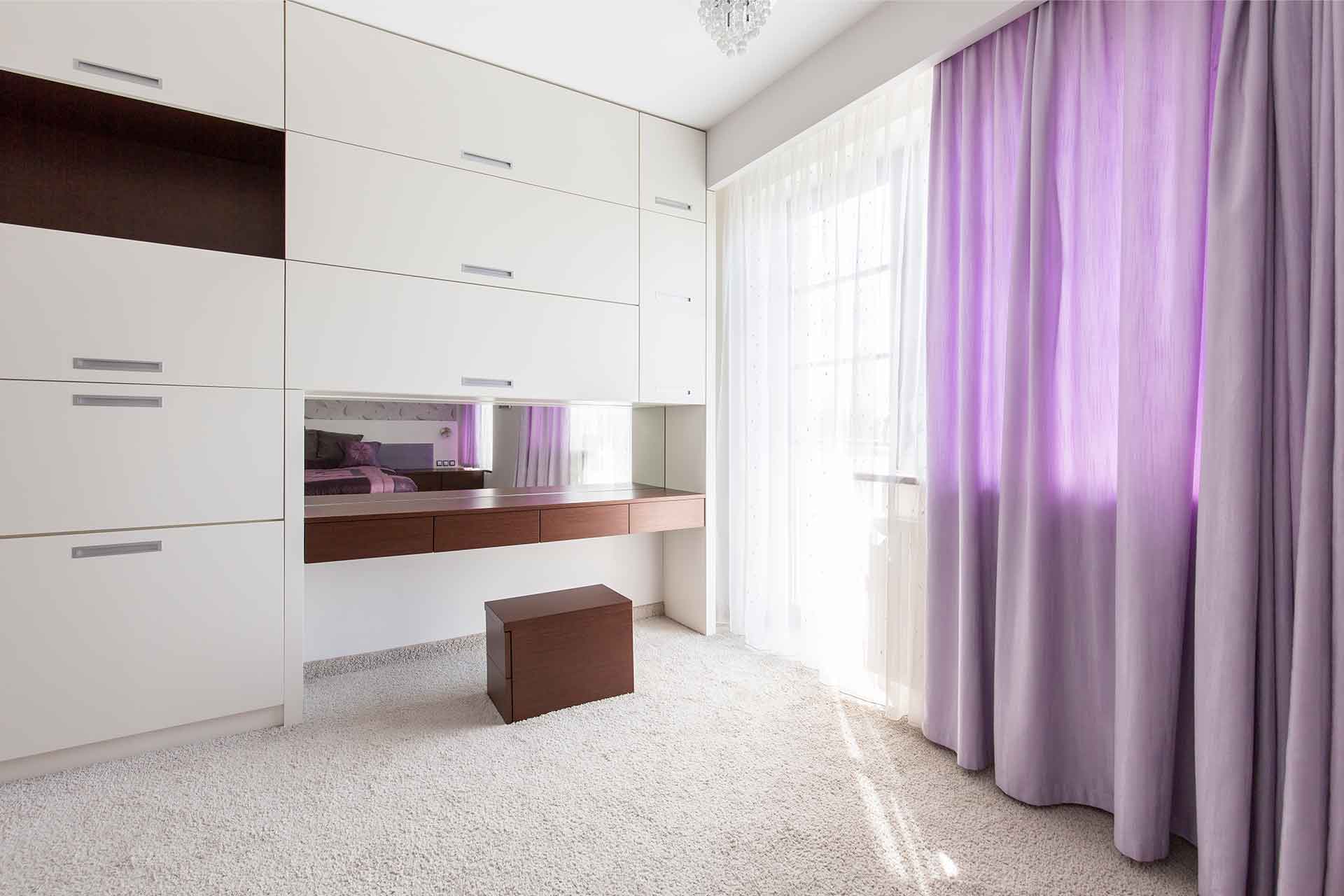
Sheer Curtains are one of the most stunning window treatments
S Fold Curtains
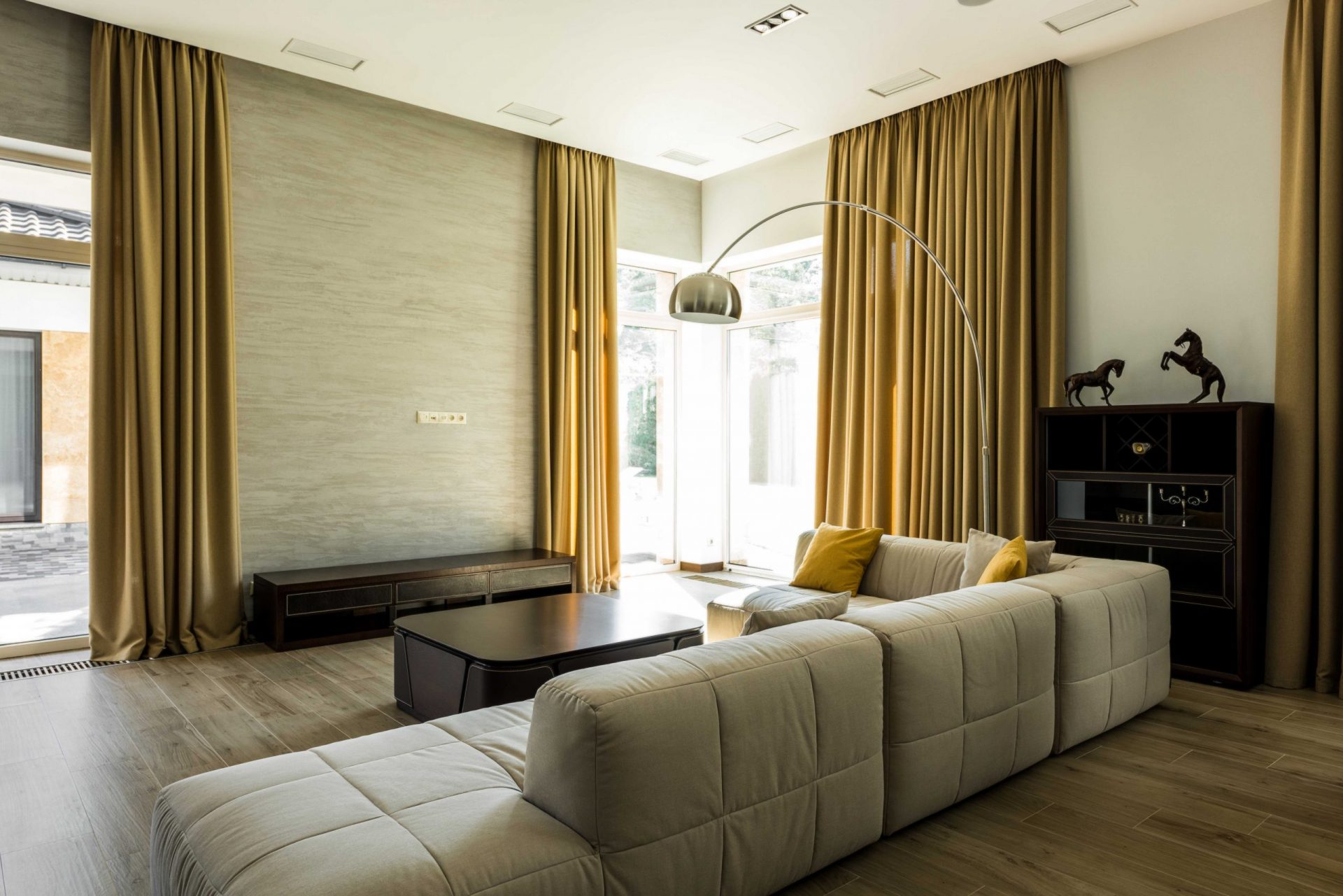
S Fold Curtains have a type of pleating known as S Fold
Veri Shades
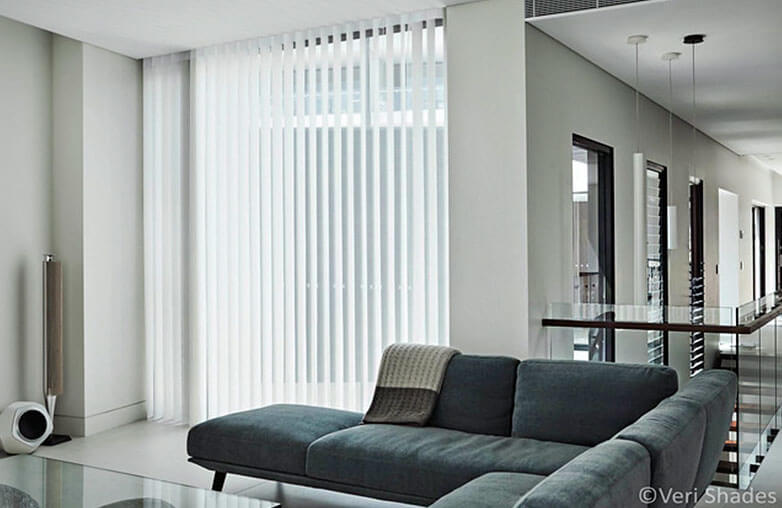
Veri Shades® is an innovation in the world of window covering
Our Products
explore our product range
Harvey Blinds takes pride in always doing the right thing by knowing the interests of our clients and projects. We are ‘Making Blinds Easy‘ by selecting the best fit for the application from a wide range of options and ensuring ease and peace of mind at every move. We have the most environmentally beneficial solutions available, taking into account the site’s details, which distinguishes us as a sustainable partner.

AUTOMATION AND CONTROL OPTIONS
With Harvey’s motorization choices for your blinds, you may enjoy increased convenience and elegance in your home or business. For your blinds, there are a variety of motorization possibilities. Motorization makes operating your blinds easy, eliminating any cords or chains. Have complete control of the light in a room with the touch of a button. Motorization is ideal for large or hand-to-reach windows.
We Are Open For Opportunities!
Services
We are proud to partner with Australia leading developers, architects, designers and builders.
Learn about our tailored services.