
Why Interior Window Design Is More Important Than Ever
There is a moment in the design process of almost every home renovation where windows get treated as an afterthought. The floors are chosen, the cabinetry is specified, the paint colours are agonised over, and then, somewhere near the end of the budget conversation, someone asks what to do about the windows. It is a common pattern, and it consistently produces results that feel incomplete. Because interior window design, done thoughtfully and with the same level of intention applied to other elements of a home, does something that almost nothing else in a room can: it controls the quality of light, the sense of privacy, the thermal comfort, and the overall character of the space all at once. As Australian homes continue to evolve in response to changing lifestyles, climate pressures, and design sensibilities, interior window design has moved from background consideration to defining feature, and the homes that reflect this shift are noticeably better for it.
From Functional Afterthought to Design Statement
For much of the twentieth century, window coverings in Australian homes served a largely utilitarian purpose. Venetian blinds kept the sun out. Net curtains provided street-level privacy. Roman blinds added a decorative touch in rooms where something softer was wanted. The idea that interior window design might be a considered discipline in its own right, one with its own vocabulary, its own hierarchy of decisions, and its own capacity to transform a space, was largely confined to high-end residential projects and the pages of international design publications.
That has changed substantially. The rise of open-plan living, the proliferation of large glazed surfaces in both new builds and renovations, and a broader cultural shift toward interiors that are as functional as they are beautiful have all pushed interior window design into a more prominent position in the decision-making process. Homeowners today are more informed, more design-literate, and more aware of how much the treatment of a window affects the experience of a room than any previous generation of renovators.
Light Is the Raw Material of Good Design
Every conversation about interior window design ultimately comes back to light, because light is what windows provide and light is what every other element of a room responds to. The colour of a wall looks different depending on how much natural light reaches it and at what angle. Timber floors read as warm and rich in well-lit rooms and flat and dull in poorly lit ones. Furniture that photographs beautifully in a showroom can look completely different in a room where the light quality has not been managed.
Thoughtful interior window design gives homeowners control over this foundational variable. Sheer fabrics diffuse harsh direct sunlight into an even, flattering glow. Sunscreen roller blinds filter glare while preserving connection to the view outside. Blockout linings eliminate light on demand for bedrooms, media rooms, and any space where complete darkness is a genuine functional requirement. The ability to manage light with precision, rather than simply accepting whatever the window delivers at any given time of day, is one of the most underappreciated benefits of investing seriously in window design.
In Sydney, where the intensity and angle of sunlight shifts dramatically between seasons and where north and west-facing rooms can become genuinely uncomfortable without proper management, this level of control is not a luxury. It is a practical necessity.
Privacy Without Compromise
One of the persistent tensions in interior window design is the relationship between natural light and privacy. More light typically means more visibility from outside, and the instinct to resolve this by simply blocking the window entirely produces rooms that feel closed off and disconnected from the outside environment.
Contemporary window design has developed far more sophisticated answers to this problem. Sheer curtains provide meaningful daytime privacy from street level while allowing light to pass through freely. Sunscreen blinds make it effectively impossible for anyone outside to see into a room during daylight hours without reducing the room’s connection to the outdoors. Venetian blinds allow precise adjustment of the angle of both light and sightlines, giving occupants granular control over exactly what is visible from outside and at what time of day.
For Sydney homeowners in densely built inner-city suburbs, terrace houses with street-facing bedrooms, or apartments where neighbouring buildings sit close to the glass, these solutions represent a genuine improvement in daily liveability that goes well beyond aesthetics.
Energy Performance and the Window’s Role
Windows are the most thermally vulnerable part of any building envelope. Glass conducts heat and cold far more readily than insulated walls, which means that unmanaged windows represent a consistent source of thermal discomfort and energy inefficiency in homes that are otherwise well designed.
Interior window design addresses this directly. Cellular honeycomb blinds create an insulating air layer between the room and the glass that measurably reduces heat transfer in both directions. Thermally lined curtains prevent cold air from pooling at window surfaces and dropping into the room in winter. Automated or motorised systems allow blinds to respond to temperature conditions throughout the day without requiring manual intervention, closing during peak heat hours and opening to capture warmth when solar gain is beneficial.
In the context of Australia’s increasingly extreme summer temperatures and the energy costs associated with managing them, the thermal contribution of well-specified interior window design is a financially meaningful consideration, not merely an environmental one. Homeowners who invest in quality window furnishings that address thermal performance typically see a measurable reduction in heating and cooling costs over time.
Aesthetics as a Functional Requirement
It would be a mistake to frame interior window design purely in terms of practical performance. The aesthetic dimension is equally important, and in many cases it is where the most significant impact is felt.
A room with bare or poorly dressed windows has a particular quality of incompleteness that is difficult to resolve through any other means. The window is visually dominant regardless of whether it has been treated or not, and when it has not been treated well, that dominance works against the rest of the room rather than with it.
Conversely, a window that has been dressed with intention, with proportions that suit the wall, fabrics that complement the colour palette, and a heading style that reinforces the architectural character of the room, becomes an anchor rather than a problem. It gives the eye somewhere to settle and the room a sense of cohesion that other design elements cannot substitute.
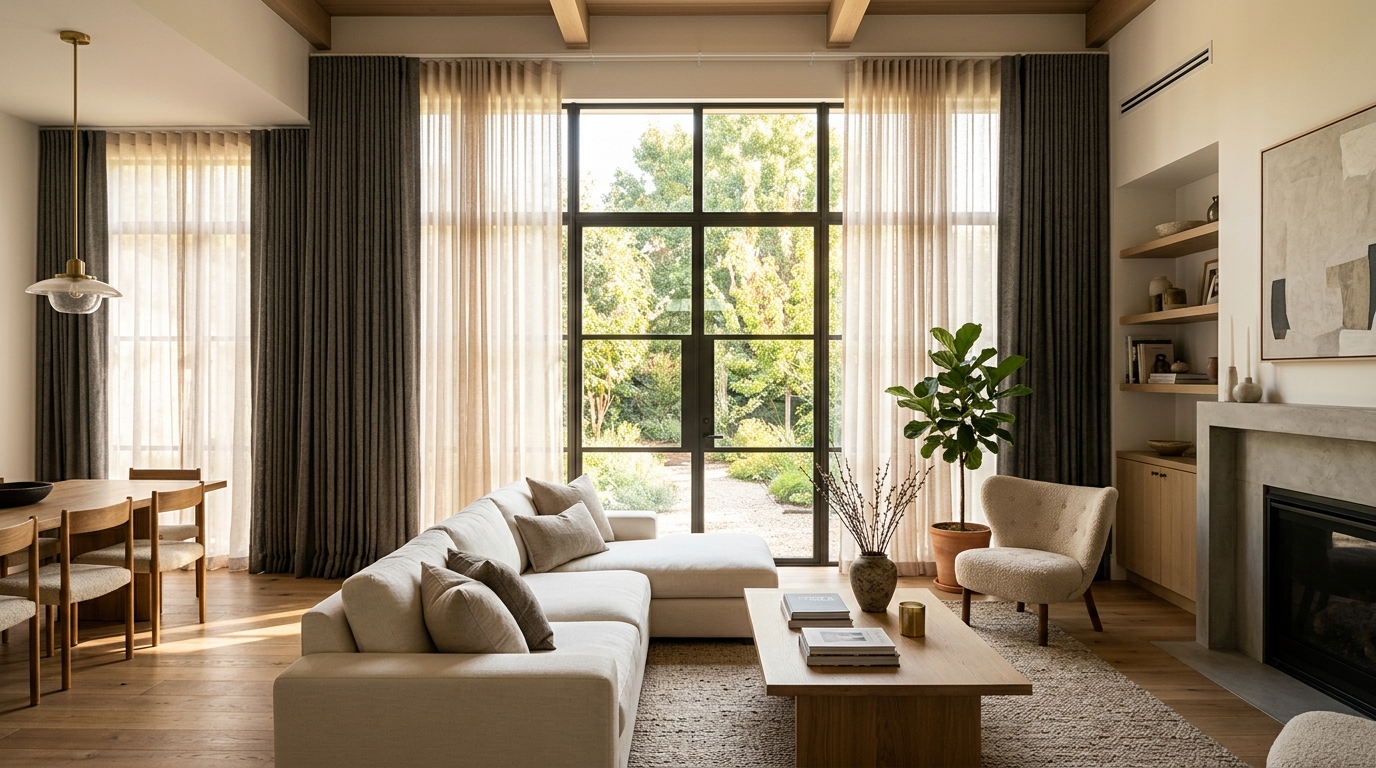
Floor-to-ceiling curtains in a soft linen blend make a room feel taller. A precisely fitted Roman blind in a textured fabric adds warmth and tactile interest to a kitchen or study. A motorised sheer panel in a contemporary apartment introduces movement and softness to a space that might otherwise read as too hard and minimal. These are not incidental effects. They are the outcomes of deliberate interior window design decisions made with a clear understanding of what each element contributes to the whole.
Harvey Blinds: Designing Better Windows for Sydney Homes
Harvey Blinds has spent over 25 years working with Sydney homeowners, builders, architects, and interior designers to deliver interior window design solutions that perform as well as they look. The company’s experience spans the full range of residential contexts, from heritage terraces and Federation homes to contemporary apartments and large-scale new builds, and its team brings genuine product knowledge and installation expertise to every project it takes on.
The Harvey Blinds range includes custom blinds, curtains, shutters, and motorised systems across a wide variety of styles, fabrics, and price points. Every solution is made to measure, professionally installed, and backed by the kind of after-sales support that only comes from a business with deep roots in the Sydney market.
For homeowners ready to take interior window design as seriously as every other element of their home, Harvey Blinds offers the expertise, the range, and the service to make that investment count.
Contact Harvey Blinds today to arrange a consultation and discover what thoughtful window design can do for your home.
Curtains
Curtains Product Range
Harvey Blinds’ specialty is Internal Blinds, a very practical window covering solution. As a result, we have the ability to find and configure the right solution for your needs.
Blinds
Blinds product range
Harvey Blinds’ specialty is Internal Blinds, a very practical window covering solution. As a result, we have the ability to find and configure the right solution for your needs.
Blackout Curtains
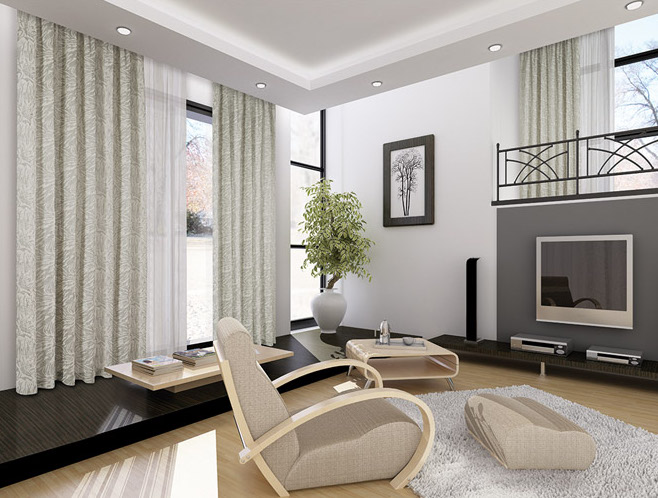
Blackout Curtains are great at filtering out unwanted sunlight

Curtain Track Types
Recess tracks creates an illusion of floating from the ceiling
Curtain Track Systems
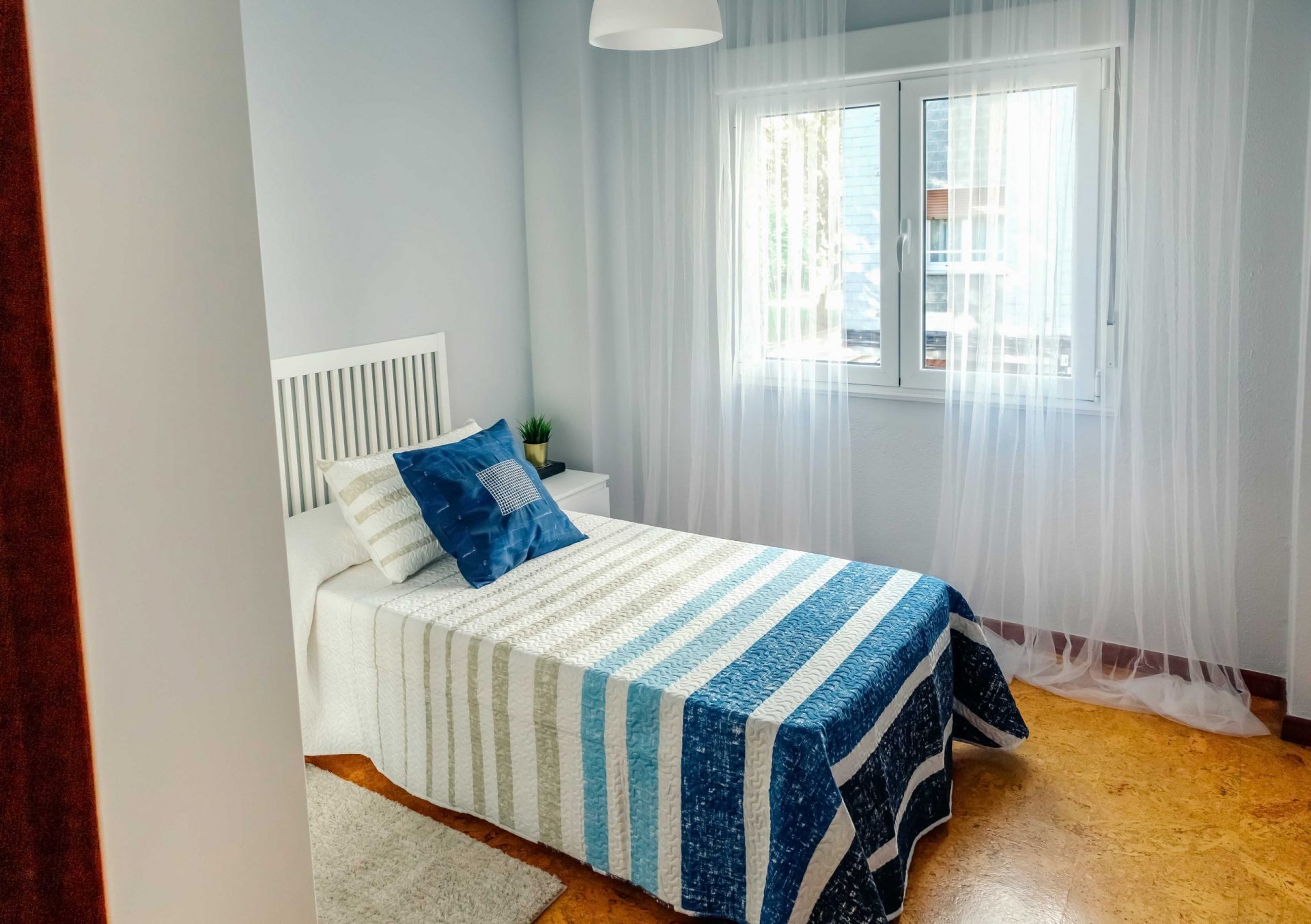
The curtain track system is an essential component in modern houses
Sheer Curtains
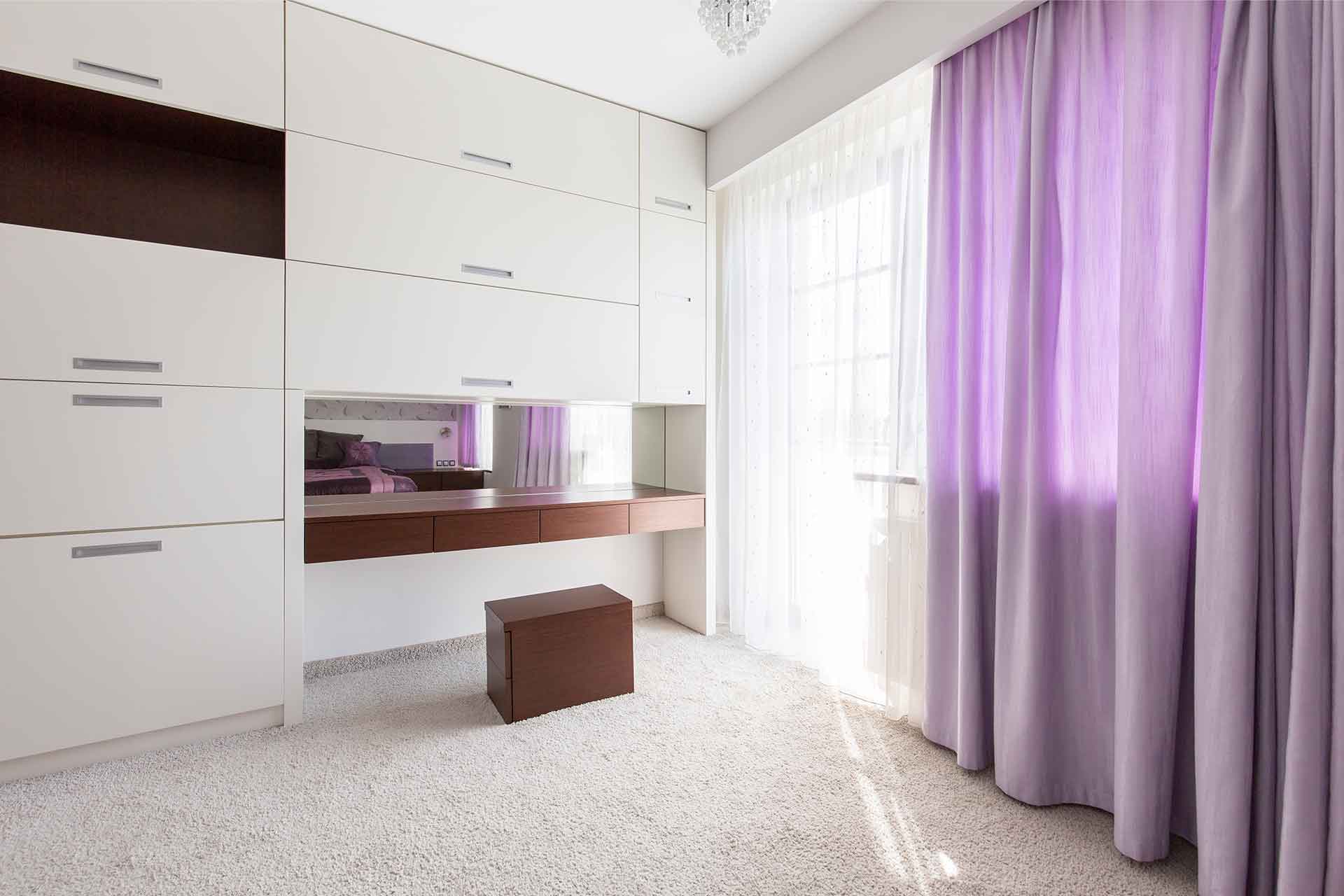
Sheer Curtains are one of the most stunning window treatments
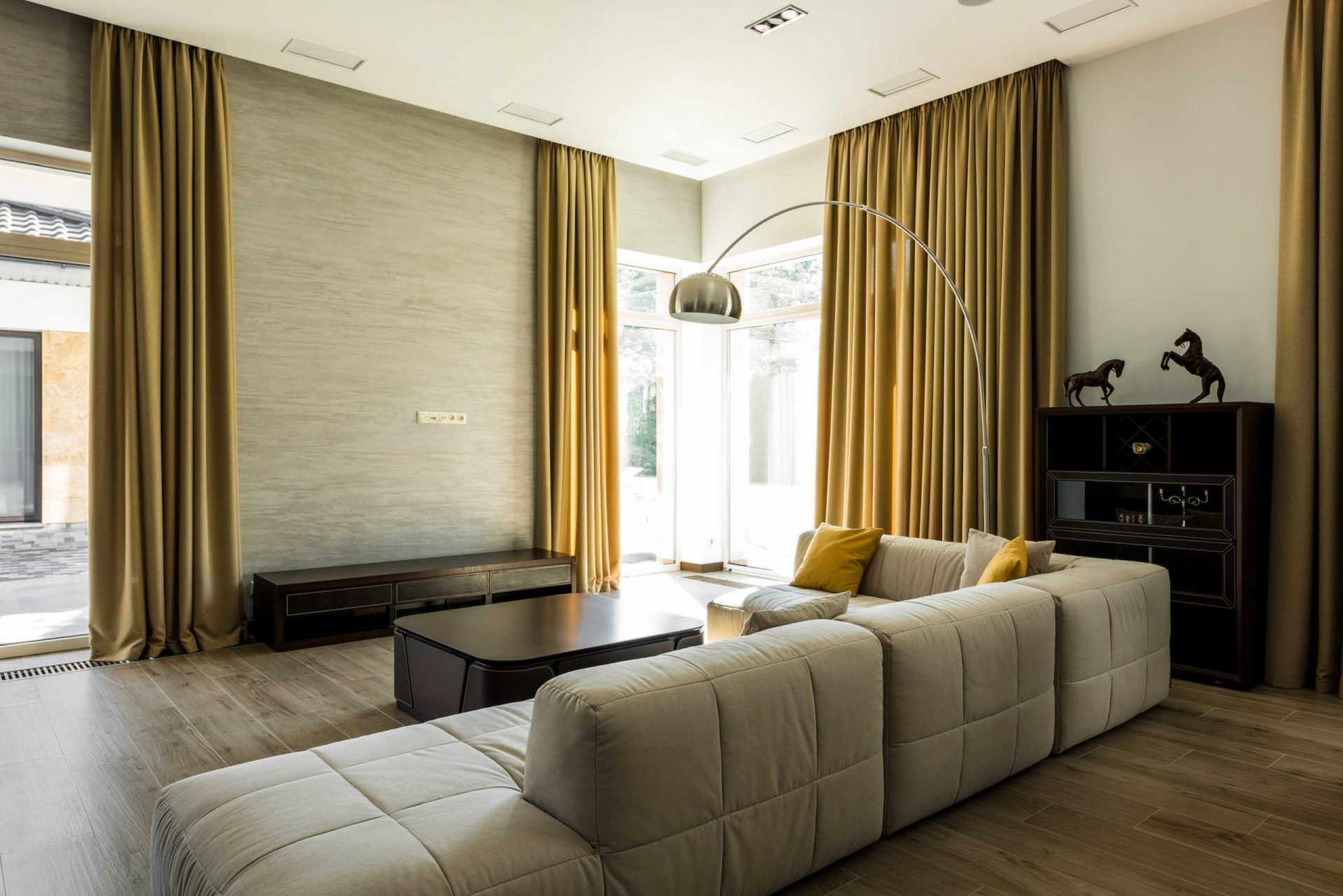
S Fold Curtains
S Fold Curtains have a type of pleating known as S Fold
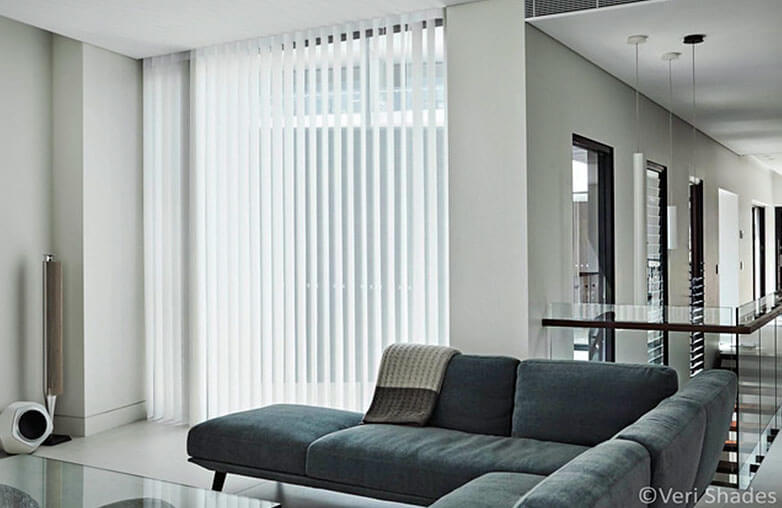
Veri Shades
Veri Shades® is an innovation in the world of window covering
Our Products
explore our product range
Harvey Blinds takes pride in always doing the right thing by knowing the interests of our clients and projects. We are ‘Making Blinds Easy‘ by selecting the best fit for the application from a wide range of options and ensuring ease and peace of mind at every move. We have the most environmentally beneficial solutions available, taking into account the site’s details, which distinguishes us as a sustainable partner.

AUTOMATION AND CONTROL OPTIONS
With Harvey’s motorization choices for your blinds, you may enjoy increased convenience and elegance in your home or business. For your blinds, there are a variety of motorization possibilities. Motorization makes operating your blinds easy, eliminating any cords or chains. Have complete control of the light in a room with the touch of a button. Motorization is ideal for large or hand-to-reach windows.
We Are Open For Opportunities!
Services
We are proud to partner with Australia leading developers, architects, designers and builders.
Learn about our tailored services.