
How to Make Timber Shutters: A Practical 5-Step Guide for Sydney Homeowners
If you have been researching how to make timber shutters for your home, you are not alone. DIY timber shutters have become increasingly popular among Sydney homeowners and renovators who want a custom window solution without the full cost of professional supply and installation. The good news is that with the right tools, materials, and a bit of patience, building your own shutters is entirely achievable. The important thing is going in with a clear plan and realistic expectations about what the process involves.
What You Will Need Before You Start
Before diving into how to make timber shutters, it helps to have everything organised and ready to go. Rushing into a woodworking project without the right preparation is one of the most common reasons DIY builds go wrong.
For materials, you will need quality timber that is suitable for your climate and the room you are working with. Western red cedar is a popular choice for timber shutters in Sydney homes because it is naturally resistant to moisture, lightweight, and takes paint and stain well. Paulownia timber is another option worth considering, particularly for shutters in areas exposed to humidity such as bathrooms or kitchens.
For tools, you will need a table saw or circular saw, a router, a drill, sandpaper in various grits, clamps, a square, and a measuring tape. You will also need shutter hardware including hinges, louvre pins, a tilt rod, and a staple gun or small fasteners.
Step 1: Measure Your Windows Carefully
Accurate measurements are the foundation of any successful timber shutter project. Measure the height and width of each window opening at three points each, taking the smallest measurement as your guide. Windows in older Sydney homes in particular are rarely perfectly square, so checking in multiple places is essential.
Decide whether you want your shutters to sit inside the window recess or overlap the frame on the outside. Inside mount installations look cleaner and more built-in, while outside mounts can disguise uneven or damaged frames.
How to Make Timber Shutters: Building the Frame
Step two involves cutting and assembling your shutter frames. Each panel consists of two vertical stiles on the outside edges and two horizontal rails at the top and bottom. These four pieces form the outer structure that holds everything together.
Cut your timber to length using your measurements, then use a router to create the grooves along the inside edges of the stiles where the louvres will sit. These grooves need to be evenly spaced and precisely aligned on both sides so that the louvres sit level once inserted. Take your time with this step. Uneven louvre spacing is one of the most noticeable mistakes in a finished timber shutter and is very difficult to correct once the frame is assembled.
Glue and clamp your frame pieces together, checking for square at every corner before the adhesive sets.
Step 3: Cut and Install the Louvres
The louvres are the horizontal slats that run across the face of the shutter panel. Cut each one to the same length, making sure the ends are shaped to fit snugly into the routed grooves in the stiles.
Insert each louvre with a louvre pin on each end. These small pins allow the slats to tilt in unison when connected to a tilt rod. Once all louvres are in place, attach the tilt rod vertically across the front of the panel, connecting it to each louvre pin. When you move the rod up or down, all the louvres should tilt together smoothly.
Step 4: Sand, Prime, and Paint
Once your timber shutters are assembled, sand the entire surface starting with a coarser grit and finishing with a fine grit for a smooth result. Remove all dust before applying a coat of primer, followed by two coats of your chosen paint or stain.
For Sydney homes close to the coast, a high-quality exterior-grade paint with UV protection is worth investing in even for interior shutters, as it will hold up much better over time in humid conditions.
Step 5: Install Your Shutters
Fitting your completed timber shutters is the final step. Attach your hinges to the shutter panel first, then position the panel in the window opening and mark the hinge points on the frame. Pre-drill your holes to avoid splitting the timber, then fix everything firmly in place.
Check that each panel opens and closes smoothly and that the louvres tilt freely without catching. Make any minor adjustments before declaring the job done.
A Note on Safety
Woodworking carries real risks if proper precautions are not taken. Always wear safety glasses when cutting or routing timber, and use ear protection when operating power tools. Keep your workspace clear and never rush a cut. If you are not confident using a table saw or router, it is worth practising on scrap timber before cutting your actual materials.
When It Makes Sense to Call a Professional
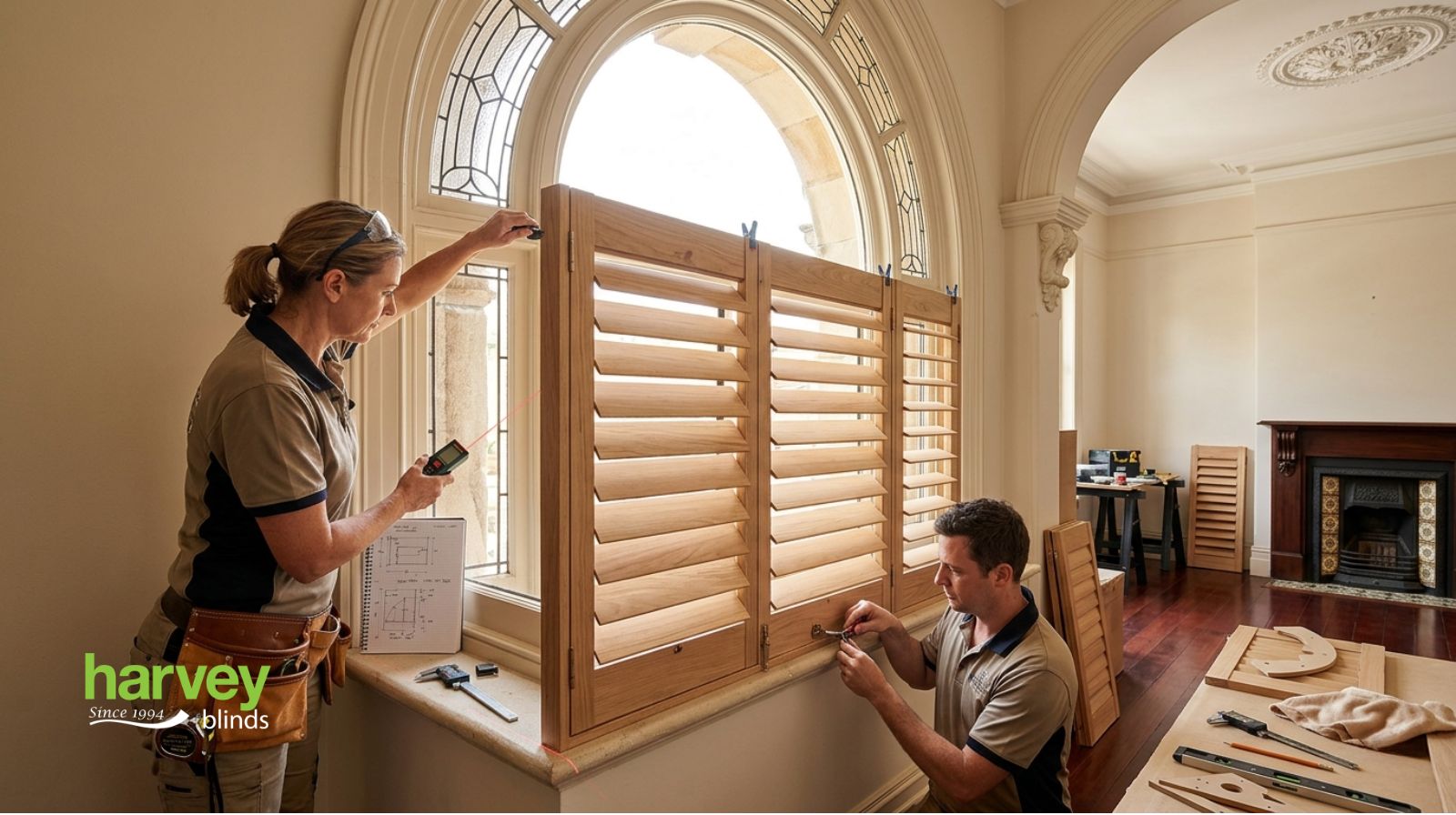
Knowing how to make timber shutters is genuinely useful, but it is also worth being honest about when a DIY approach might not be the right call. If you have a large number of windows to cover, unusual window shapes, or heritage-listed property requirements, the time, cost, and complexity of a DIY build can quickly add up.
Professional shutters are also made with precision machinery that is simply not available in a home workshop. The tolerances are tighter, the finish is more consistent, and the installation is backed by a warranty. For many Sydney homeowners, the investment in professionally made and installed timber shutters ends up being better value in the long run.
Thinking About Professional Timber Shutters Instead?
Whether you decide to go the DIY route or prefer to leave it to the experts, the end goal is the same: beautiful, functional timber shutters that suit your home and last for years.
At Harvey Blinds, we supply and install premium timber shutters across Sydney. Our team takes care of everything from measure and quote through to professional installation, so you can enjoy the result without the workshop mess.
Get in touch with Harvey Blinds today and let’s find the right shutter solution for your Sydney home.
Curtains
Curtains Product Range
Harvey Blinds’ specialty is Internal Blinds, a very practical window covering solution. As a result, we have the ability to find and configure the right solution for your needs.
Blinds
Blinds product range
Harvey Blinds’ specialty is Internal Blinds, a very practical window covering solution. As a result, we have the ability to find and configure the right solution for your needs.
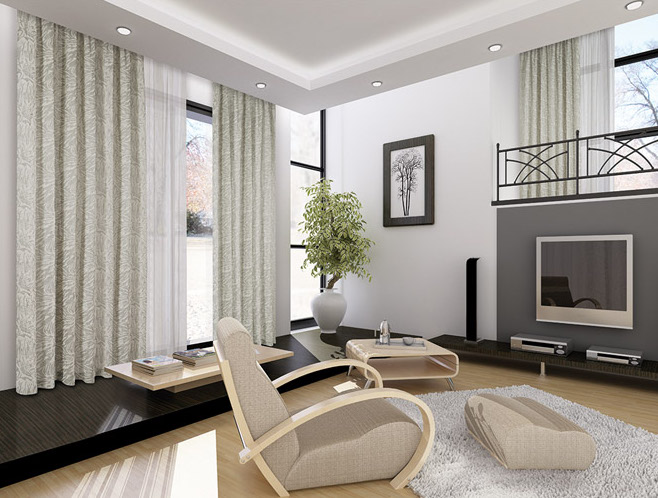
Blackout Curtains
Blackout Curtains are great at filtering out unwanted sunlight
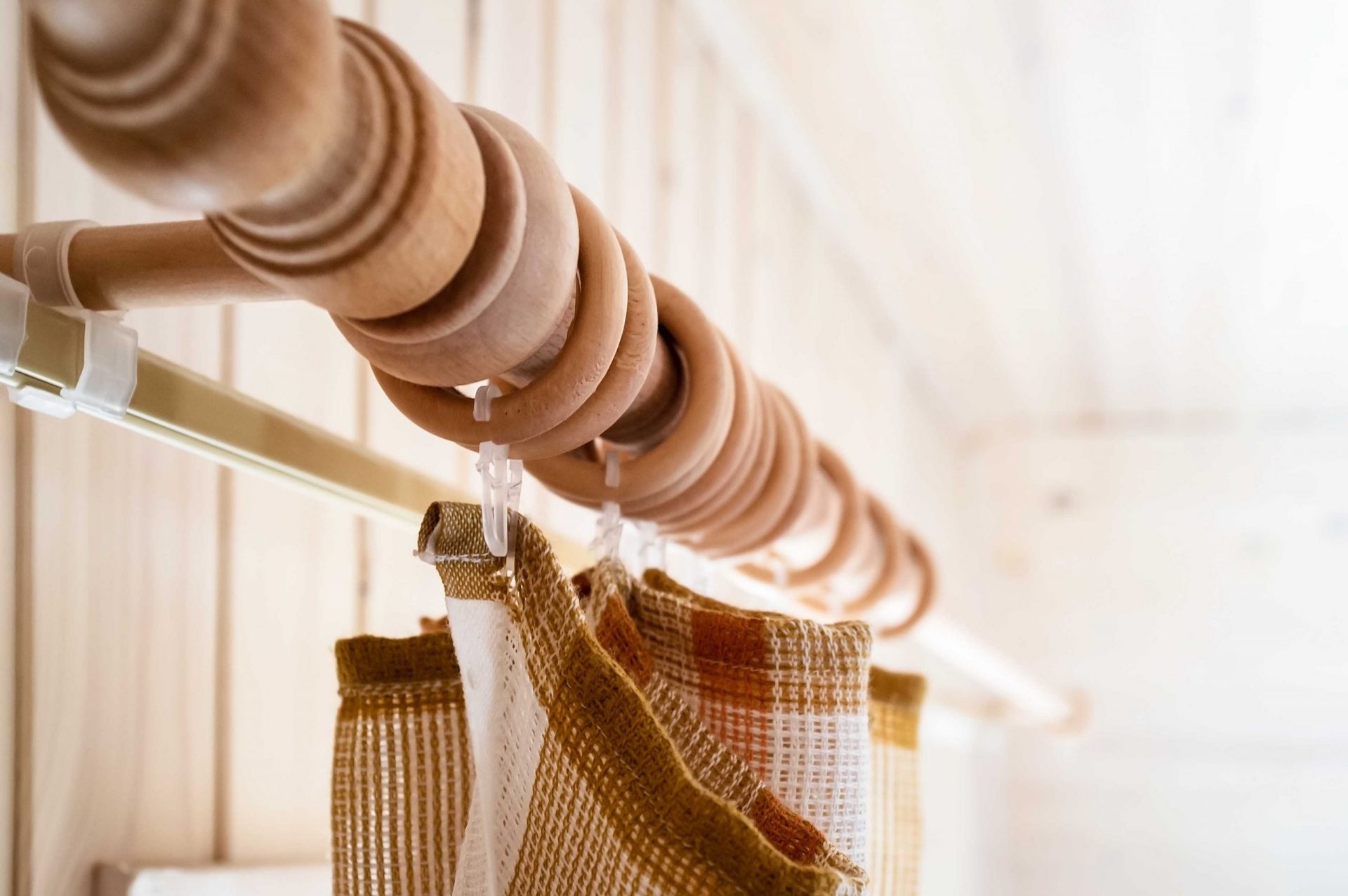
Curtain Track Types
Recess tracks creates an illusion of floating from the ceiling
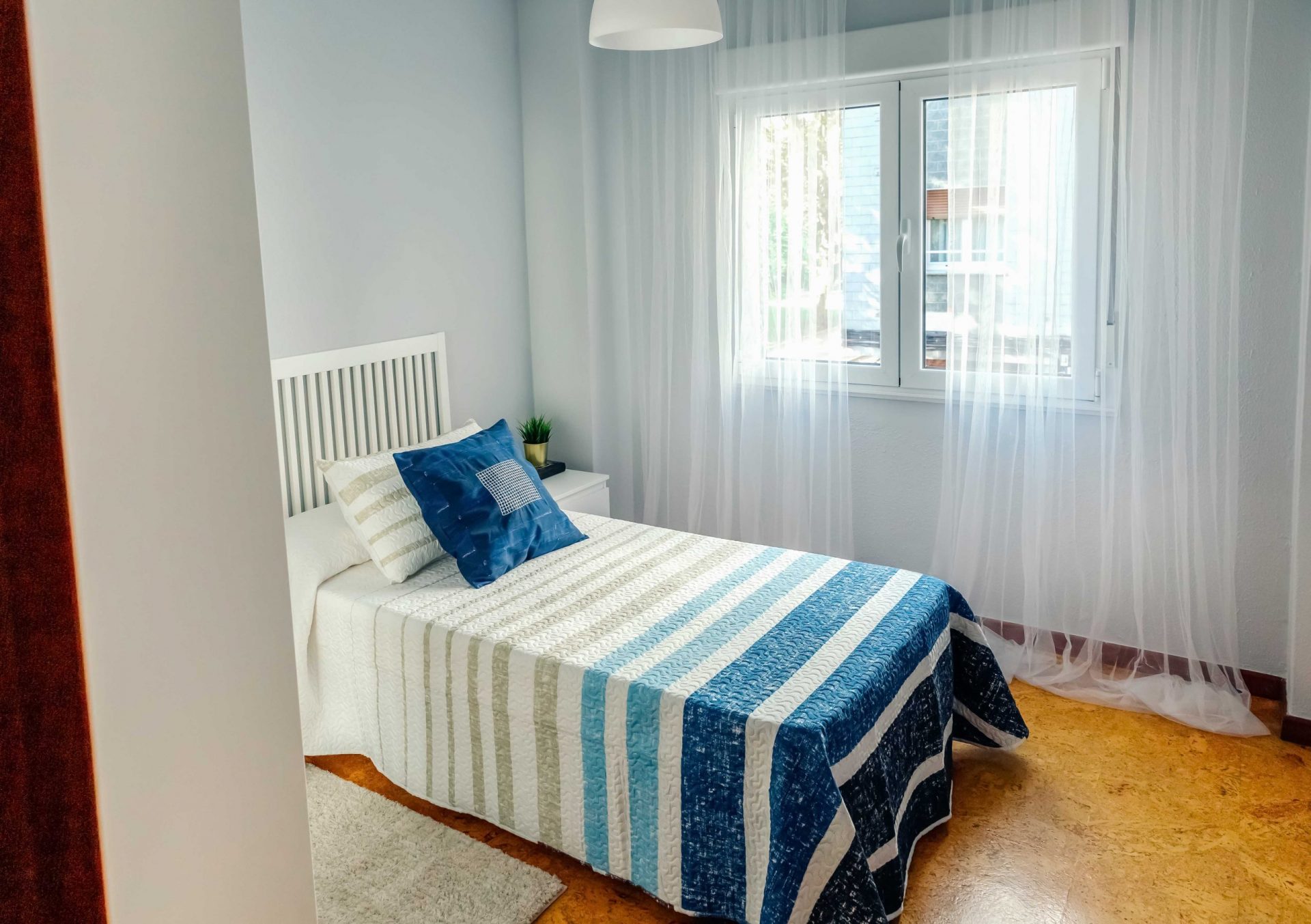
Curtain Track Systems
The curtain track system is an essential component in modern houses
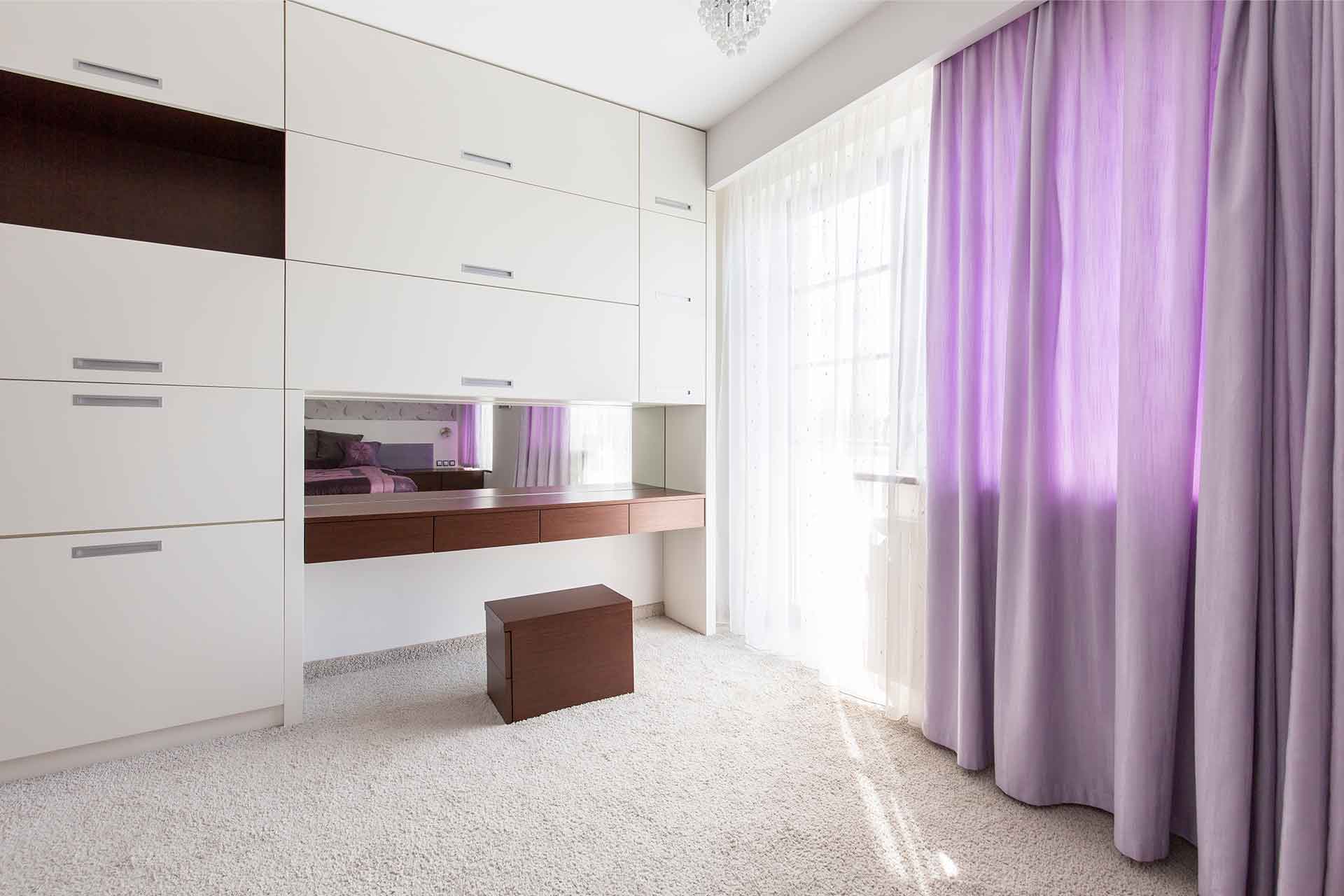
Sheer Curtains
Sheer Curtains are one of the most stunning window treatments
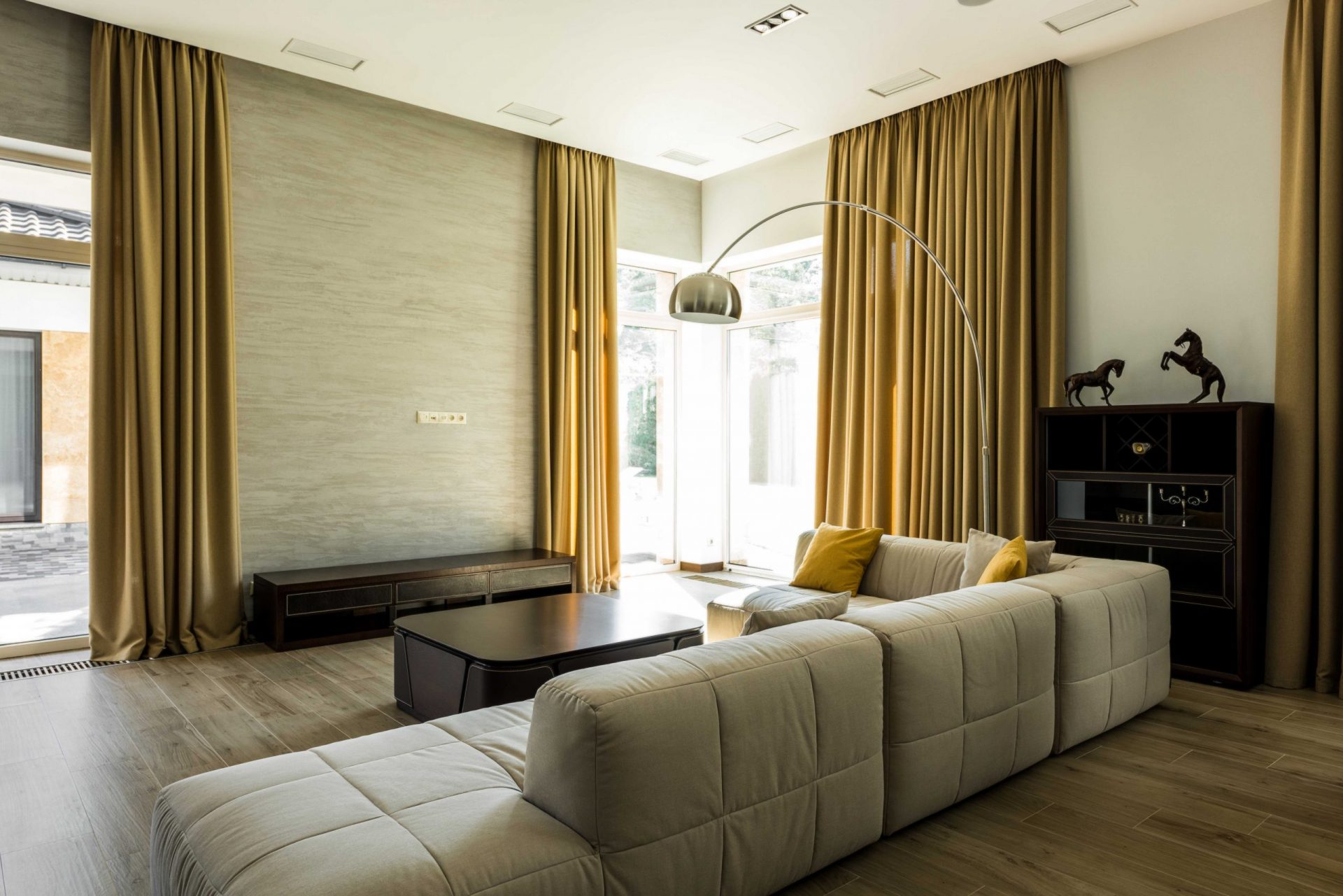
S Fold Curtains
S Fold Curtains have a type of pleating known as S Fold
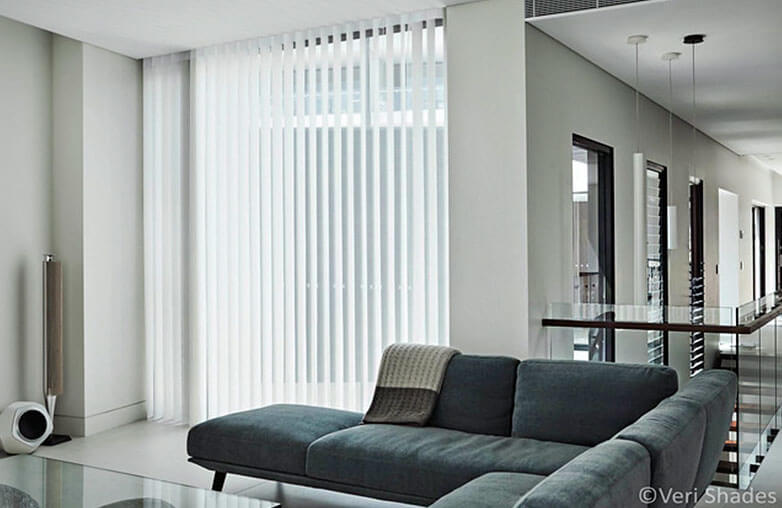
Veri Shades
Veri Shades® is an innovation in the world of window covering
Our Products
explore our product range
Harvey Blinds takes pride in always doing the right thing by knowing the interests of our clients and projects. We are ‘Making Blinds Easy‘ by selecting the best fit for the application from a wide range of options and ensuring ease and peace of mind at every move. We have the most environmentally beneficial solutions available, taking into account the site’s details, which distinguishes us as a sustainable partner.

AUTOMATION AND CONTROL OPTIONS
With Harvey’s motorization choices for your blinds, you may enjoy increased convenience and elegance in your home or business. For your blinds, there are a variety of motorization possibilities. Motorization makes operating your blinds easy, eliminating any cords or chains. Have complete control of the light in a room with the touch of a button. Motorization is ideal for large or hand-to-reach windows.
We Are Open For Opportunities!
Services
We are proud to partner with Australia leading developers, architects, designers and builders.
Learn about our tailored services.